인문학
사회과학
자연과학
공학
의약학
농수해양학
예술체육학
복합학
 DBpia AI
 AI 에이전트
 AI 아이디어
 AI 리더
 AI 뷰어
 Citeasy
크롬 서지관리 다운로드
개인구독
소속 기관이 없으신 경우, 개인 정기구독을 하시면 저렴하게
논문을 무제한 열람 이용할 수 있어요.
지원사업
학술연구/단체지원/교육 등 연구자 활동을 지속하도록 DBpia가 지원하고 있어요.
커뮤니티
연구자들이 자신의 연구와 전문성을 널리 알리고, 새로운 협력의 기회를 만들 수 있는 네트워킹 공간이에요.
피인용 0
초록·키워드
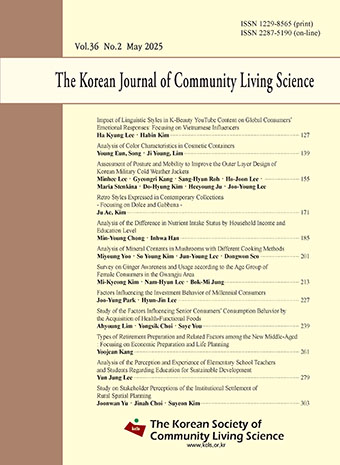
This study examined how the linguistic styles of K-beauty-related videos produced by Vietnamese YouTubers influence global consumer responses. One hundred and fifty top-viewed videos were selected based on the presence of Korean beauty content, and the corresponding consumer comments were collected. Using Python and LIWC (Linguistic Inquiry and Word Count), this study analyzed video scripts and viewer comments to examine the relationship quality (affiliation), argument quality (causation and insight), and information quality (prepositions and BigWords) in the videos, along with emotional tone (positive and negative) in the videos and comments. In addition, multiple regression analyses showed that content emphasizing affiliation, insight, and a positive tone significantly increased positive consumer reactions. In contrast, content with a negative tone and informational overload, which was characterized by the high usage of prepositions and long, complex words, was associated with more negative consumer responses. Interestingly, although logically persuasive content had a positive effect, excessive informational density tended to overwhelm viewers, prompting critical or negative feedback. These findings suggest that the emotional tone, relatability, and cognitive clarity are key factors in enhancing consumer engagement in global beauty marketing strategies. The study offers practical implications for K-beauty brands seeking to communicate effectively with international audiences through influencer-based content on social media platforms.
본문·목차


인공지능 문자 인식 모델을 통해 추출된 텍스트로, 일부 오타나 오류가 포함될 수 있으나 지속적으로 개선 중입니다.
오류를 발견하셨다면 해당 부분을 드래그한 후 ' 를 통해 신고해주세요.
오류를 발견하셨다면 해당 부분을 드래그한 후 ' 를 통해 신고해주세요.
최근 본 자료 전체보기




UCI(KEPA) : I410-151-25-02-093102212

