인문학
사회과학
자연과학
공학
의약학
농수해양학
예술체육학
복합학
 DBpia AI
 AI 에이전트
 AI 아이디어
 AI 리더
 AI 뷰어
 Citeasy
크롬 서지관리 다운로드
지원사업
학술연구/단체지원/교육 등 연구자 활동을 지속하도록 DBpia가 지원하고 있어요.
커뮤니티
연구자들이 자신의 연구와 전문성을 널리 알리고, 새로운 협력의 기회를 만들 수 있는 네트워킹 공간이에요.
피인용 0
초록·키워드
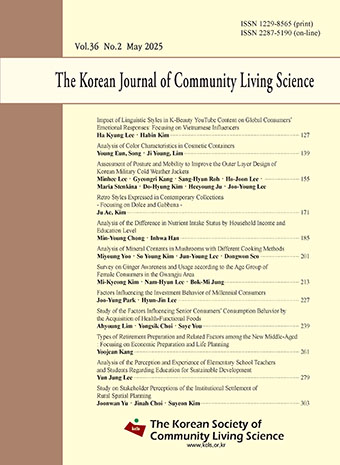
This study analyzed how the elements of dress from ancient to modern times have been reinterpreted in a contemporary manner and reflected in the designs of Dolce and Gabbana’s collections. Both theoretical research and case studies were used. For the theoretical research, the literature related to fashion and retro, previous studies, and internet sources were examined. The case studies focused on analyses from Vogue Runway, the official Dolce and Gabbana website, and Runway Magazine. The analysis showed that in Dolce and Gabbana’s collections, retro tendencies were highlighted using the characteristic clothing forms and architectural prints of ancient Greece. The use of soft materials like chitons and himations naturally revealed the body lines, expressing the beauty of the human form from antiquity. In the medieval period, retro styles were expressed through accessories and medieval-style prints, while Christian symbolic decorations conveyed the influence of medieval religious themes. In the ancient and medieval periods, print-centric visual elements were prominent, whereas the reinterpretations of dress based on form were more pronounced in the Renaissance and modern periods. In the Renaissance, men’s clothing items were reinterpreted for women’s fashion, and decorative elements were used to express retro and aristocratic tendencies. The Empire style of the modern era showcased a natural silhouette influenced by neoclassicism, while the Romantic era emphasized femininity in its styles, reinterpreting crinolines as outer garments. In conclusion, retro styles, which reinterpret historical dress, have been utilized continuously in Dolce and Gabbana’s collections.
본문·목차


인공지능 문자 인식 모델을 통해 추출된 텍스트로, 일부 오타나 오류가 포함될 수 있으나 지속적으로 개선 중입니다.
오류를 발견하셨다면 해당 부분을 드래그한 후 ' 를 통해 신고해주세요.
오류를 발견하셨다면 해당 부분을 드래그한 후 ' 를 통해 신고해주세요.
최근 본 자료 전체보기




UCI(KEPA) : I410-151-25-02-093110698

