인문학
사회과학
자연과학
공학
의약학
농수해양학
예술체육학
복합학
 DBpia AI
 AI 에이전트
 AI 아이디어
 AI 리더
AI 리더
 AI 뷰어
AI 뷰어
 Citeasy
크롬 서지관리 다운로드
Citeasy
크롬 서지관리 다운로드
지원사업
학술연구/단체지원/교육 등 연구자 활동을 지속하도록 DBpia가 지원하고 있어요.
커뮤니티
연구자들이 자신의 연구와 전문성을 널리 알리고, 새로운 협력의 기회를 만들 수 있는 네트워킹 공간이에요.
학술저널
DBpia Top 0.5%
오류 신고하기해당 페이지 내 제목·저자·목차·페이지정보가 잘못된 경우 알려주세요!
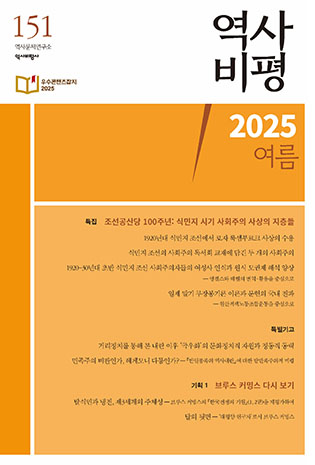
초록·키워드
This paper investigates how the surge of far-right radicalization in South Korea, particularly following the Martial Law declaration on December 3, became possible by analyzing the cultural-political characteristics of far-right rallies and protests. Despite the inherently weak hegemony of far-right cultural politics―marked by sectarianism, violence, and anti-cultural tendencies―the far-right gained rapid traction. This paper argues that the driving forces behind this shift were the reactionary elite political class, distortions in the media environment, and the affective forces of the Protestant right, including conspiracy theories and hate-based emotions. Addressing this phenomenon requires not only legal and institutional reform, but also cultural transformation and the expansion of democratic values.
본문·목차


인공지능 문자 인식 모델을 통해 추출된 텍스트로, 일부 오타나 오류가 포함될 수 있으나 지속적으로 개선 중입니다.
오류를 발견하셨다면 해당 부분을 드래그한 후 ' 를 통해 신고해주세요.
오류를 발견하셨다면 해당 부분을 드래그한 후 ' 를 통해 신고해주세요.
최근 본 자료 전체보기




UCI(KEPA) : I410-151-25-02-093087050

