인문학
사회과학
자연과학
공학
의약학
농수해양학
예술체육학
복합학
 DBpia AI
 AI 에이전트
 AI 아이디어
 AI 리더
 AI 뷰어
 Citeasy
크롬 서지관리 다운로드
지원사업
학술연구/단체지원/교육 등 연구자 활동을 지속하도록 DBpia가 지원하고 있어요.
커뮤니티
연구자들이 자신의 연구와 전문성을 널리 알리고, 새로운 협력의 기회를 만들 수 있는 네트워킹 공간이에요.
초록·키워드
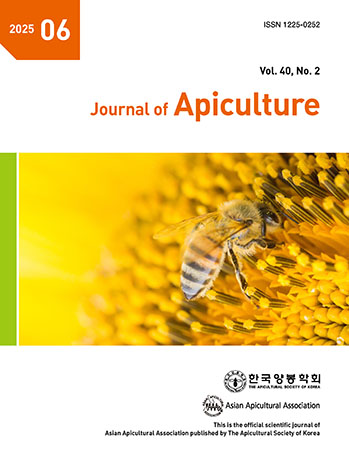
Beekeeping and honey production is important agricultural component in Uzbekistan. However, scientific verification of honey origin remains limited. Given increasing concerns about honey authenticity and labeling accuracy, this study aimed to evaluate the botanical origin of Uzbek honey using melissopalynological analysis. A total of 26 honey samples collected from supermarkets, markets, apiaries, and universities in the Tashkent region, examined to determine the correspondence between pollen composition and the floral source stated on product labels. Of the total, 20 samples were classified as monofloral honey based on the dominant pollen (>45%), while the remaining six were considered multifloral. Notably, 12 samples labeled as multifloral were reclassified as monofloral based on pollen dominance, revealing inconsistencies between actual content and labeling. Only 5 samples(1 Tilia, 3 Alhagi, 1 Helianthus) showed agreement between dominant pollen and the label claim. A total of 17 pollen taxa were identified, and hierarchical clustering analysis revealed distinct groupings based on dominant pollen types. These findings underscore the need for standardized labeling practices and demonstrate the value of melissopalynology as a reliable tool for verifying the botanical origin of honey and supporting the development of quality standards for Uzbekistan honey.
본문·목차


인공지능 문자 인식 모델을 통해 추출된 텍스트로, 일부 오타나 오류가 포함될 수 있으나 지속적으로 개선 중입니다.
오류를 발견하셨다면 해당 부분을 드래그한 후 ' 를 통해 신고해주세요.
오류를 발견하셨다면 해당 부분을 드래그한 후 ' 를 통해 신고해주세요.
최근 본 자료 전체보기




UCI(KEPA) : I410-151-25-02-093732381

