인문학
사회과학
자연과학
공학
의약학
농수해양학
예술체육학
복합학
 DBpia AI
 AI 에이전트
 AI 아이디어
 AI 리더
AI 리더
 AI 뷰어
AI 뷰어
 Citeasy
크롬 서지관리 다운로드
Citeasy
크롬 서지관리 다운로드
지원사업
학술연구/단체지원/교육 등 연구자 활동을 지속하도록 DBpia가 지원하고 있어요.
커뮤니티
연구자들이 자신의 연구와 전문성을 널리 알리고, 새로운 협력의 기회를 만들 수 있는 네트워킹 공간이에요.
논문 기본 정보
- 자료유형
- 학술저널
- 저자정보
- 저널정보
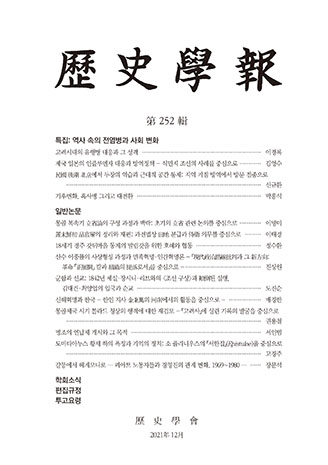
- 역사학회 역사학보 歷史學報 第252輯
- 발행연도
- 2021.12
- 수록면
- 1 - 35 (35page)
- DOI
- 10.16912/tkhr.2021.12.252.1
이용수
DBpia Top 10%동일한 주제분류 기준으로최근 2년간 이용수 순으로 정렬했을 때
해당 논문이 위치하는 상위 비율을 의미합니다.
초록· 키워드
In Goryeo, long fever(瘴疫) and warm fever(溫疫) were prevalent since the 11th century. In particular, warm fever(溫疫), which caused great damage, showed symptoms of heating up the whole body. When we examine the Goryeo government"s response, its institution handled insufficiently the epidemics, whereas people frequently relied on Buddihism, Taoism, and shamanism in order to cope with the epidemics.
On the other hand, on a private level, there was a gap in responding to epidemics according to the social status. First of all, the ruling class responded medically to the outbreak of the epidemics. The ruling class, who had easy access to the Chinese medicine, had high confidence in the prescriptions of Chinese medicine for epidemics.
However, the common people of Goryeo, who had difficulty in direct access to the Chinese medical knowledge, relied more on healing rituals such as Buddhism and Taoism. It was because the religious beliefs were more familiar and reliable than the Chinese medicine. The common people’s medical response to epidemics began in earnest only in the Joseon Dynasty.
Therefore, response to epidemics depended on which medical systems the people of the Goryeo Dynasty chose. The treatment of epidemics depended on the familiarity and reliability of a cure method, and people"s responses differed to according to social status.
On the other hand, on a private level, there was a gap in responding to epidemics according to the social status. First of all, the ruling class responded medically to the outbreak of the epidemics. The ruling class, who had easy access to the Chinese medicine, had high confidence in the prescriptions of Chinese medicine for epidemics.
However, the common people of Goryeo, who had difficulty in direct access to the Chinese medical knowledge, relied more on healing rituals such as Buddhism and Taoism. It was because the religious beliefs were more familiar and reliable than the Chinese medicine. The common people’s medical response to epidemics began in earnest only in the Joseon Dynasty.
Therefore, response to epidemics depended on which medical systems the people of the Goryeo Dynasty chose. The treatment of epidemics depended on the familiarity and reliability of a cure method, and people"s responses differed to according to social status.
#고려
#의료
#감염병
#유행병
#의학지식
#『신집어의촬요방』
#『향약구급방』
#Goryeo
#medicine
#infectious disease
#epidemics
#medical knowledge
#shinjibeouichwalyobang (新集御醫撮要方)
#Hyangyakgugupbang (鄕藥救急方)
상세정보 수정요청해당 페이지 내 제목·저자·목차·페이지정보가 잘못된 경우 알려주세요!
목차
- I. 머리말
- II. 유행병의 양상과 국가의 대응
- III. 사회적 지위에 따른 유행병 대응의 간극
- IV. 맺음말
- [참고문헌]
- [Abstract]
참고문헌
참고문헌 신청최근 본 자료









UCI(KEPA) : I410-ECN-0101-2022-905-000131117