인문학
사회과학
자연과학
공학
의약학
농수해양학
예술체육학
복합학
 DBpia AI
 AI 에이전트
 AI 아이디어
 AI 리더
 AI 뷰어
 Citeasy
크롬 서지관리 다운로드
지원사업
학술연구/단체지원/교육 등 연구자 활동을 지속하도록 DBpia가 지원하고 있어요.
커뮤니티
연구자들이 자신의 연구와 전문성을 널리 알리고, 새로운 협력의 기회를 만들 수 있는 네트워킹 공간이에요.
피인용 0
초록·키워드
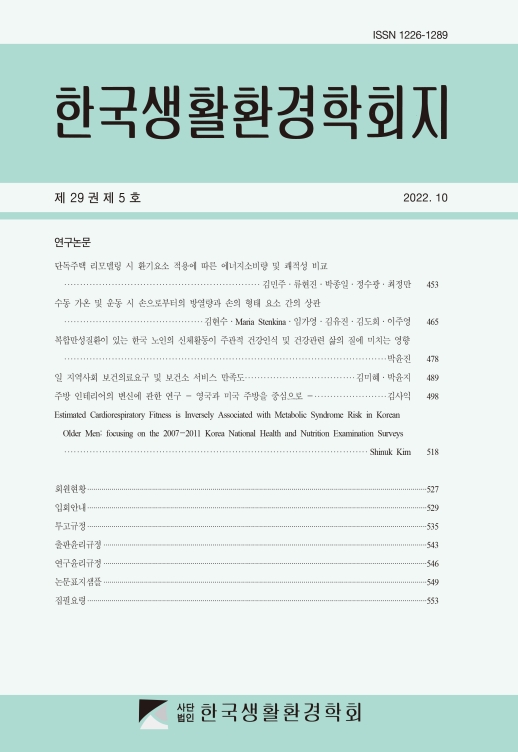
As demand for low-energy buildings increases, indoor environment, and ventilation evaluation is becoming critical. However, it is difficult to find studies that evaluated complex factors other than mechanical ventilation, such as void, natural ventilation, IoT, and the number of occupants. Therefore, in this study, a total of seven scenarios were established based on four ventilation factors, and general buildings before remodelings and low-energy building after remodeling were analyzed based on three evaluation indicators (energy usage, discomfort time, and ACH). In conclusion, energy consumption was most affected by ventilation methods, and building performance also had ample influence that low-energy buildings had an average utilization rate of 30% compared to general buildings. Discomfort time was most affected by the ventilation method, which had RreliefF contribution was 42%, and natural ventilation was likely to be exposed to high discomfort time regardless of other ventilation factors. Finally, in the case of ACH, low-energy buildings did not meet the average minimum standard in all scenarios when only indoor temperature and humidity were considered as ventilation standards. Rather, ventilation in general buildings meets the criteria for ACH values, so it is necessary to consider whether ventilation can be performed simultaneously with temperature, humidity, and comfort.
본문·목차


인공지능 문자 인식 모델을 통해 추출된 텍스트로, 일부 오타나 오류가 포함될 수 있으나 지속적으로 개선 중입니다.
오류를 발견하셨다면 해당 부분을 드래그한 후 ' 를 통해 신고해주세요.
오류를 발견하셨다면 해당 부분을 드래그한 후 ' 를 통해 신고해주세요.
최근 본 자료 전체보기





