인문학
사회과학
자연과학
공학
의약학
농수해양학
예술체육학
복합학
 DBpia AI
 AI 에이전트
 AI 아이디어
 AI 리더
 AI 뷰어
 Citeasy
크롬 서지관리 다운로드
개인구독
소속 기관이 없으신 경우, 개인 정기구독을 하시면 저렴하게
논문을 무제한 열람 이용할 수 있어요.
지원사업
학술연구/단체지원/교육 등 연구자 활동을 지속하도록 DBpia가 지원하고 있어요.
커뮤니티
연구자들이 자신의 연구와 전문성을 널리 알리고, 새로운 협력의 기회를 만들 수 있는 네트워킹 공간이에요.
基於“第三空間”理論的韓國中文敎育小生態構建硏究 A Study on the Construction of a Micro-Ecosystem for Chinese Language Education in Korea Based on the “Third Space” Theory
논문 기본 정보
- 저자정보
- 저널정보
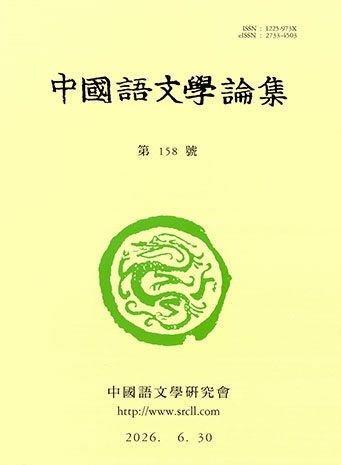
- 중국어문학연구회 중국어문학논집 中國語文學論集 第158號
- 발행연도
- 2026.6
- 수록면
- 291 - 317 (27page)
- DOI
- 10.25021/JCLL.2026.6.158.291
피인용 0
基於“第三空間”理論的韓國中文敎育小生態構建硏究
초록·키워드
In the contemporary context where the trend of “de-globalization” intertwines with geopolitical competition, international Chinese language education is facing profound cultural challenges brought about by the “de-Sinicization” strategy. Chinese education in South Korea is under pressure to achieve greater systematization, professionalization, and localization. Building a cultural buffering mechanism that combines overall planning with frontline teaching responsiveness is essential for the deep advancement of localized Chinese education.
ThispaperintroducesHomiK.Bhabha’sThird Spacetheory to break through the limitations of conventional understandings of international Chinese education. By constructing a cultural buffer space based on the intersection of the native and target language cultures, the study proposes the concept of a “Micro-Ecosystem of Chinese Education in Korea.” Centered on the integration of “classroom instruction + extracurricular project extension,” and linked through programs such as Work-Learning Dual System (일학습병행제도), University–High School–Community Connection Programs, CPIK, Chinese Bridge, and Principals’ Visit to China, this model seeks to build a complex, interactive, and localized ecosystem that connects primary and higher education, government institutions, enterprises, Confucius Institutes, and related organizations in both China and Korea.
ThispaperintroducesHomiK.Bhabha’sThird Spacetheory to break through the limitations of conventional understandings of international Chinese education. By constructing a cultural buffer space based on the intersection of the native and target language cultures, the study proposes the concept of a “Micro-Ecosystem of Chinese Education in Korea.” Centered on the integration of “classroom instruction + extracurricular project extension,” and linked through programs such as Work-Learning Dual System (일학습병행제도), University–High School–Community Connection Programs, CPIK, Chinese Bridge, and Principals’ Visit to China, this model seeks to build a complex, interactive, and localized ecosystem that connects primary and higher education, government institutions, enterprises, Confucius Institutes, and related organizations in both China and Korea.
본문·목차


인공지능 문자 인식 모델을 통해 추출된 텍스트로, 일부 오타나 오류가 포함될 수 있으나 지속적으로 개선 중입니다.
오류를 발견하셨다면 해당 부분을 드래그한 후 ' 를 통해 신고해주세요.
오류를 발견하셨다면 해당 부분을 드래그한 후 ' 를 통해 신고해주세요.
최근 본 자료 전체보기





UCI(KEPA) : I410-151-26-02-097671704

